

Understanding the Complex World of Jueteng
Jueteng is a centuries-old numbers game that has become deeply entrenched in the cultural and social fabric of the Philippines. Despite being illegal, it persists as one of the most popular forms of gambling in the country, drawing in hundreds of thousands of players every day. Understanding jueteng requires not just a look into its mechanics but also an examination of its societal implications and the reasons behind its enduring popularity.
The Mechanics of Jueteng
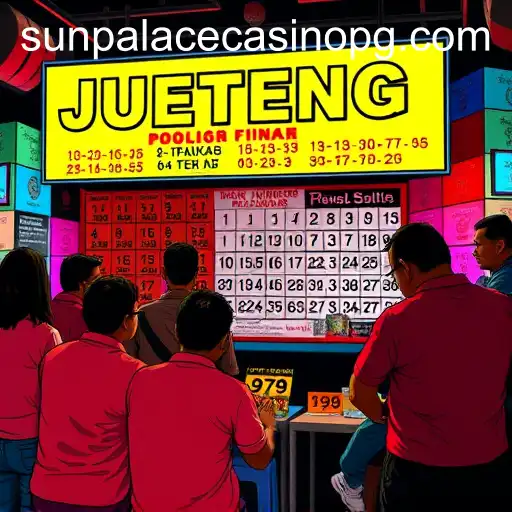
The game of jueteng is relatively simple in its design. Players choose a set of numbers, typically between 1 and 37, and place their bets, hence the term "979 bet," referring to the common practice of betting a typical sum such as 9-7-9 pesos. The winning numbers are subsequently drawn, and winners are rewarded based on the odds against which they placed their bets. Despite the simplicity, the system has a highly organized hierarchical structure involving a number of roles, from the low-level bet collectors to the financiers and administrators who manage the operations from behind the scenes.
Origins and Evolution
Believed to have originated from China, jueteng was introduced to the Philippines during the Spanish colonial period. It has evolved over the years, adapting to the socio-political environments and facing various degrees of suppression and integration into the Filipino society. While it formally remains an illegal activity, the game has been able to persist due to its ability to adapt and the involvement of influential patrons, including politicians who both support and profit from its operations.
Why Jueteng Persists
Jueteng's persistence can be attributed to several intertwined social, economic, and political factors. On the economic side, jueteng provides a source of income for many people, from gamblers hoping for a windfall to those employed in the operation of the game. Its deeply rooted presence in communities makes it a daily ritual for some, offering hope and anticipation in stark contrast to the often bleak economic realities faced by many Filipinos.
Politically, jueteng is a tool that can be wielded to gain support and build power bases. Patronage systems emerge where protection or promotion of jueteng is traded for votes or political allegiance, thus intertwining illegal gambling with legitimate political processes. This murky relationship contributes to the challenge of eradicating or legalizing jueteng, as many benefit from the current informal state of its operations.
The Impact of Jueteng on Society
The impact of jueteng on Philippine society is multifaceted. Economically, while it provides income and employment, it also diverts funds from other sectors and can perpetuate cycles of poverty among those who become overly reliant on gambling as a source of income. Its operation without regulation contributes to unfair practices and often empowers illicit players within the economy.
Socially, jueteng can harm communities by diverting attention from necessary societal changes and promoting reliance on luck over skill or hard work. It can foster an environment of dependency on gambling winnings, which affects familial and societal interactions.
Legalization Debates
The debate over the legalization of jueteng involves weighing the possible economic benefits against the potential social costs. Proponents argue that legalization could result in much-needed government revenue, turning a significant underground economy into a taxable entity. Regulation could also introduce oversight that eliminates practices of coercion and exploitation within the current system.
Conversely, opponents of legalization caution that it may simply institutionalize a counterfeit of productivity, embedding a culture of gambling into the legal economic structure and potentially exacerbating socio-economic inequalities and dependencies. The challenge lies in striking a balance that respects cultural practices while safeguarding ethical and economic considerations.
Conclusion
Jueteng represents a complex intersection of culture, economy, and politics within the Philippines. Its ongoing popularity highlights the challenges of regulating an activity deeply woven into daily life. Though still illegal, its future seems open to potential change, driven by inevitable debates on legalization and regulation. The discourse on jueteng ultimately brings to light critical aspects of societal values, economic imperatives, and the role of governance, each of which continues to shape its narrative in both current and future contexts.